Swiss Watches 101: A Beginner’s Guide to Horology
So, you’ve fallen under the spell. You’ve noticed the subtle glide of a seconds hand on a perfectly finished dial, heard the satisfying click of a bezel, or felt the weight of a meticulously crafted timepiece on your wrist. You’re curious about Swiss watches, but the world of horology seems vast, complex, and a little intimidating.
Fear not. Welcome to your sanctuary. Consider this your first step into a magnificent obsession. We’re going to break down the fundamentals, the very DNA of what makes a Swiss watch… well, Swiss. Forget the noise; we’re here to talk about craft, history, and mechanics.
First Things First: What Makes a Watch “Swiss”?
It’s not just about being assembled in a picturesque Alpine valley. The “Swiss Made” label on a dial is a legally protected designation, and it comes with strict rules. In a nutshell, for a watch to earn this hallowed stamp:
- Its movement (the engine) must be Swiss.
- The movement must be cased up in Switzerland.
- The final inspection by the manufacturer must occur in Switzerland.
More than just a geographic indicator, “Swiss Made” is a promise of a certain standard of quality, craftsmanship, and heritage. It’s the bedrock of trust upon which this entire industry is built.
The Heart of the Matter: Movement Types
This is where the magic happens. The movement, or calibre, is the engine of the watch. Understanding the different types is your first major step into horology.
1. Mechanical (Hand-Wound)
This is pure, traditional watchmaking in its most intimate form. A mechanical watch is powered by a mainspring. You manually wind the crown, which tightens this spring. As the spring slowly unwinds, it releases energy through a series of gears and springs (the gear train and escapement) to power the watch. It’s a daily ritual that connects you to the very soul of your timepiece. Winding it, you feel the gentle resistance, a tangible connection to the intricate machine on your wrist.
2. Automatic (Self-Winding)
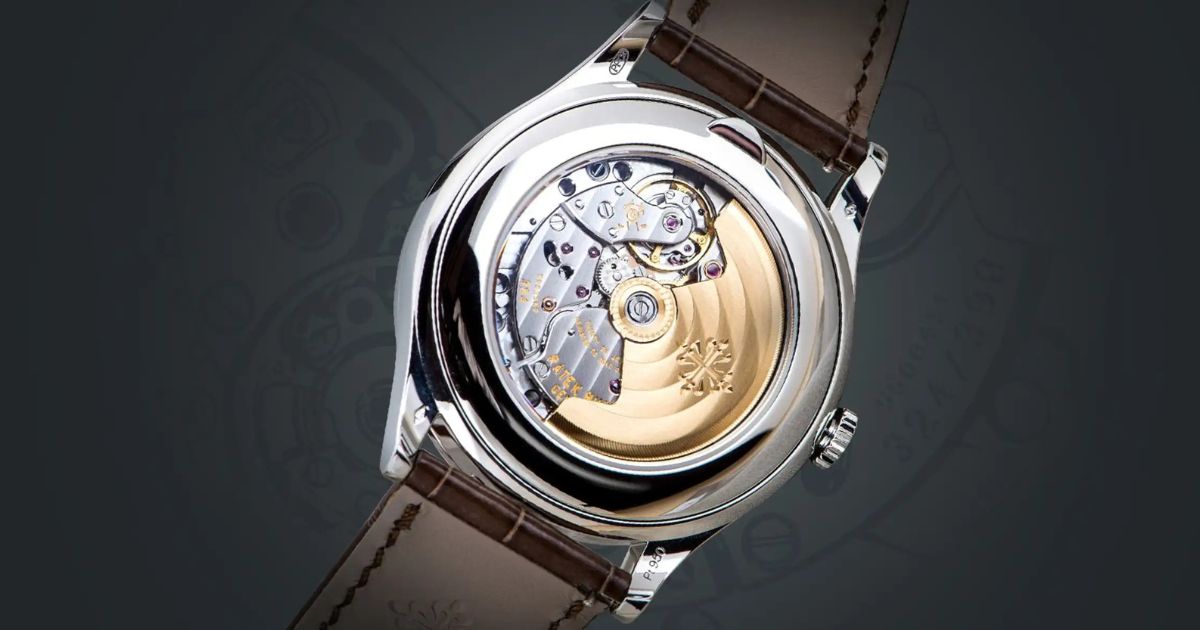
An automatic movement is a mechanical movement with a brilliant addition: a oscillating weight, often called a rotor. As you move your wrist throughout the day, this semi-circular weight spins, automatically winding the mainspring. It’s the perfect blend of traditional mechanics and modern convenience. If you wear it regularly, it will never need manual winding. If you take it off for a day or two, it will stop, and you’ll need to give it a shake or a brief wind to get it going again.
3. Quartz
Now, don’t let anyone tell you quartz is inferior; it’s simply different. Invented in the 1960s and perfected by the Swiss, a quartz watch is powered by a battery. It sends an electrical current through a tiny quartz crystal, causing it to vibrate at an incredibly high and stable frequency (32,768 times per second!). A circuit then translates these vibrations into a single pulse per second, resulting in the characteristic “tick-tick” motion of the seconds hand. They are incredibly accurate and low-maintenance. While the high-end watch world often celebrates mechanics, there are exceptional and luxurious Swiss quartz watches, prized for their reliability and slim profiles.
Decoding the Dial: Key Complications
In watchmaking, a “complication” is any function beyond simply telling the time. They are demonstrations of a brand’s technical prowess.
- Date: The most common and useful complication. It can be a simple window or a more complex pointer date.
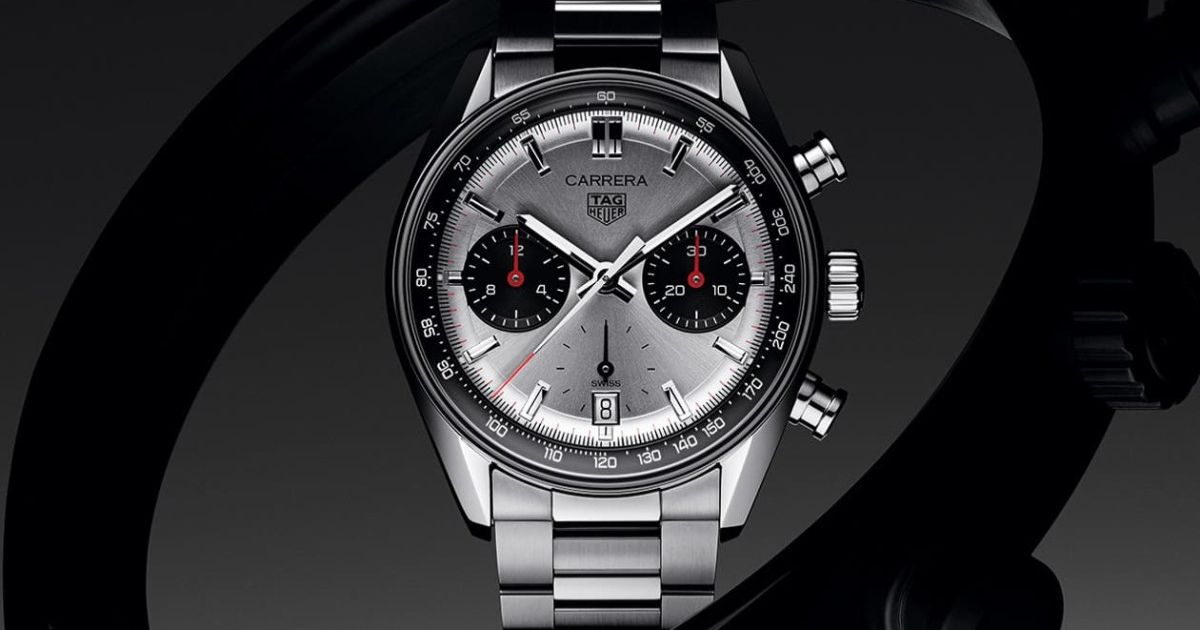
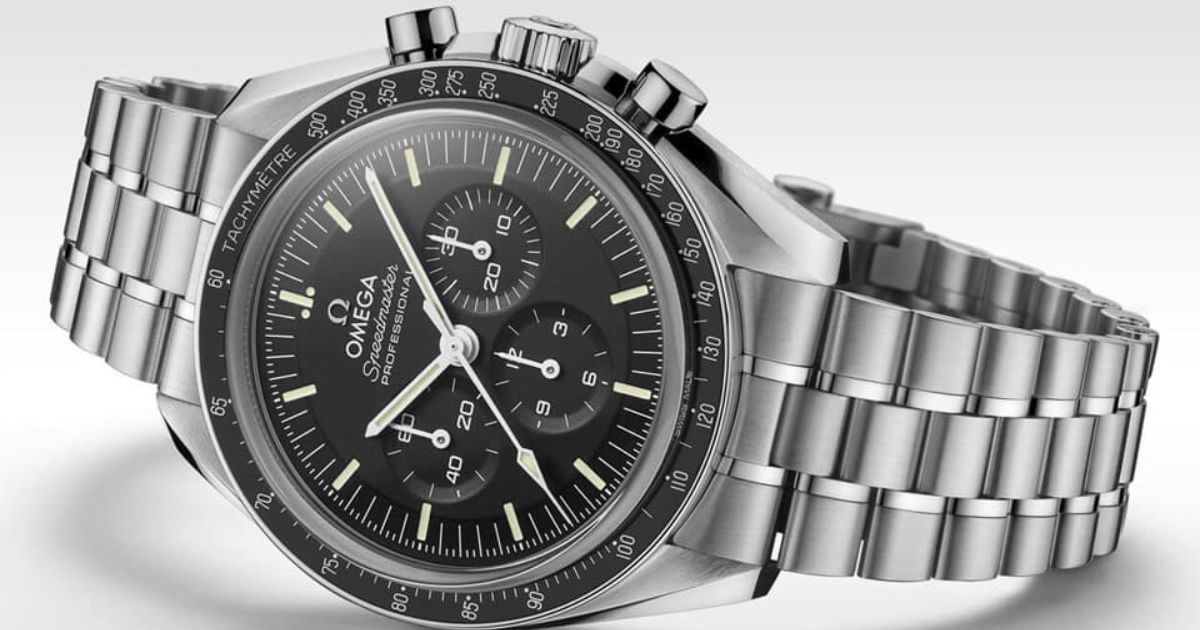
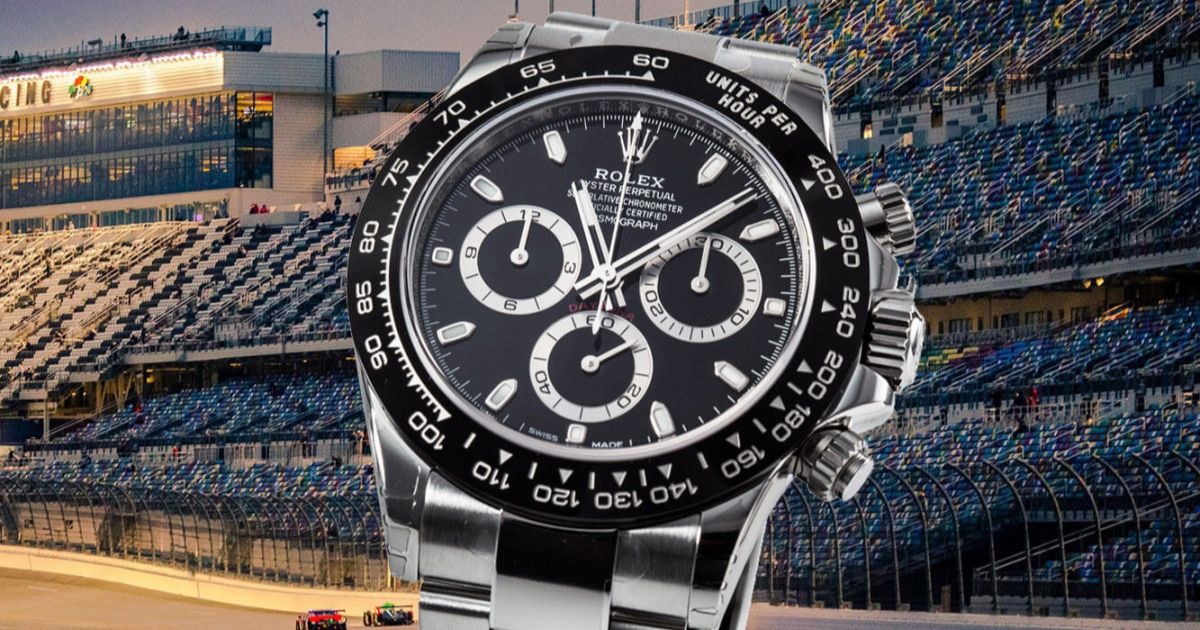
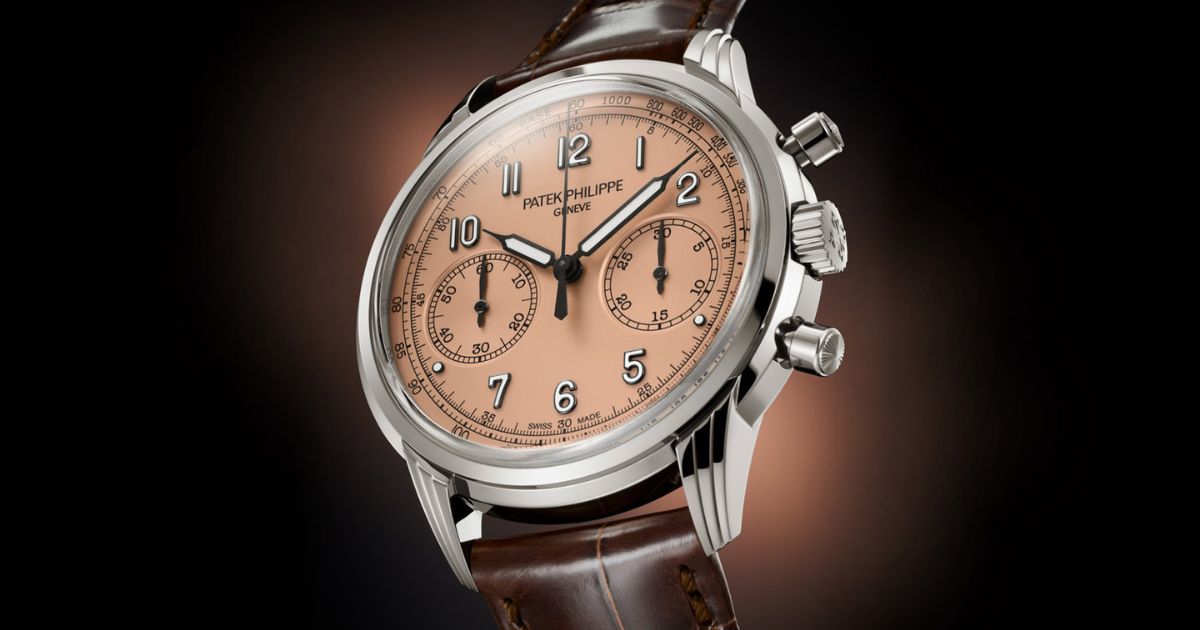
- Chronograph: Simply put, a stopwatch. It allows you to measure elapsed time with sub-dials tracking seconds, minutes, and sometimes hours.
- GMT / Dual Time: Essential for the traveler. It allows you to track a second time zone, often with an additional 24-hour hand.
- Moonphase: A poetic and classic complication that displays the current phase of the moon as it appears in the sky through a small aperture on the dial.
- Perpetual Calendar: The pinnacle of calendar complications. It automatically accounts for the different lengths of months and even leap years, theoretically not requiring adjustment until the year 2100 (which is not a leap year).
The Holy Trinity & Beyond: A Glimpse at the Icons
While the landscape is rich with incredible brands, a few names form the foundational pillars of Swiss watchmaking.
- Patek Philippe: The epitome of haute horlogerie. Synonymous with perfection, legacy, and some of the most complex timepieces ever made. Their motto, “You never actually own a Patek Philippe. You merely look after it for the next generation,” says it all.
- Audemars Piguet: The revolutionary. While they have a deep history, AP boldly reshaped the industry in 1972 with the Royal Oak, the first luxury sports watch made of steel. It redefined what a luxury watch could be.
- Vacheron Constantin: The oldest manufacturer in continuous production since 1755. Vacheron represents timeless elegance and peerless finishing. Their motto, “Do better if possible, and that is always possible,” guides their pursuit of perfection.
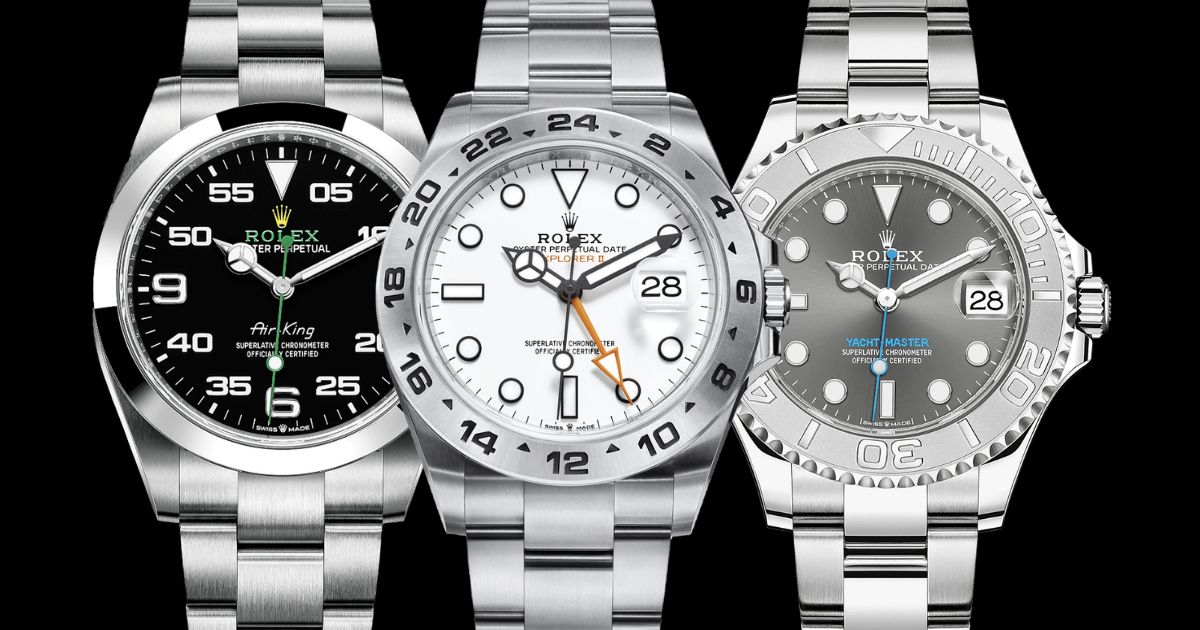
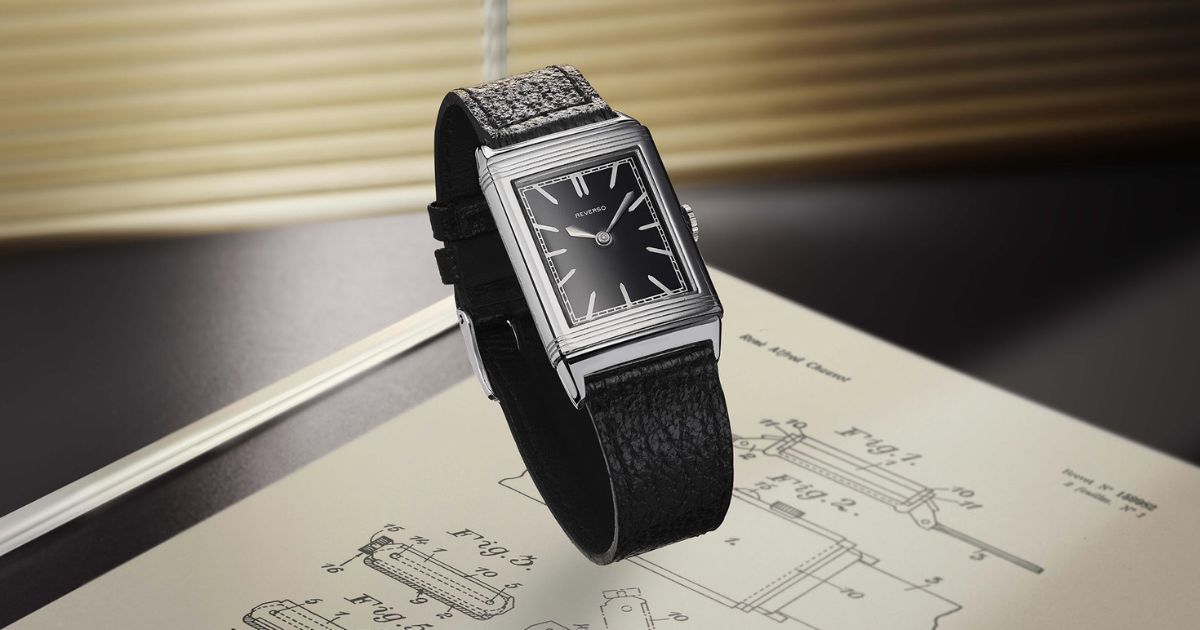
But the world doesn’t end there. Explore the robust tool watches of Rolex, the avant-garde engineering of Richard Mille, the minimalist elegance of Jaeger-LeCoultre, or the daring spirit of Omega. Each brand has its own story to tell.
Finding Your Watch
As a beginner, it’s easy to get lost in specifications and brand prestige. My advice? Look with your heart as much as your head.
- Try it on. A watch that looks stunning in a photo might feel wrong on your wrist. The weight, the fit, the way the lugs curve—it’s a deeply personal experience.
- What speaks to you? Does the history of the Moonwatch stir your soul? Does the architectural brilliance of a skeletonized movement captivate you? Are you drawn to the understated elegance of a simple dress watch?
- It’s a journey, not a destination. Your first serious Swiss watch is a milestone. It won’t be your last. Your taste will evolve, and that’s part of the joy.
Welcome to the fascinating world of horology. You are now part of a centuries-old tradition of artistry, precision, and human ingenuity. Take your time, ask questions, and above all, enjoy the journey.
About the author : Junior Darryl

Related Posts