World Time vs. GMT Watches: What’s the Difference?
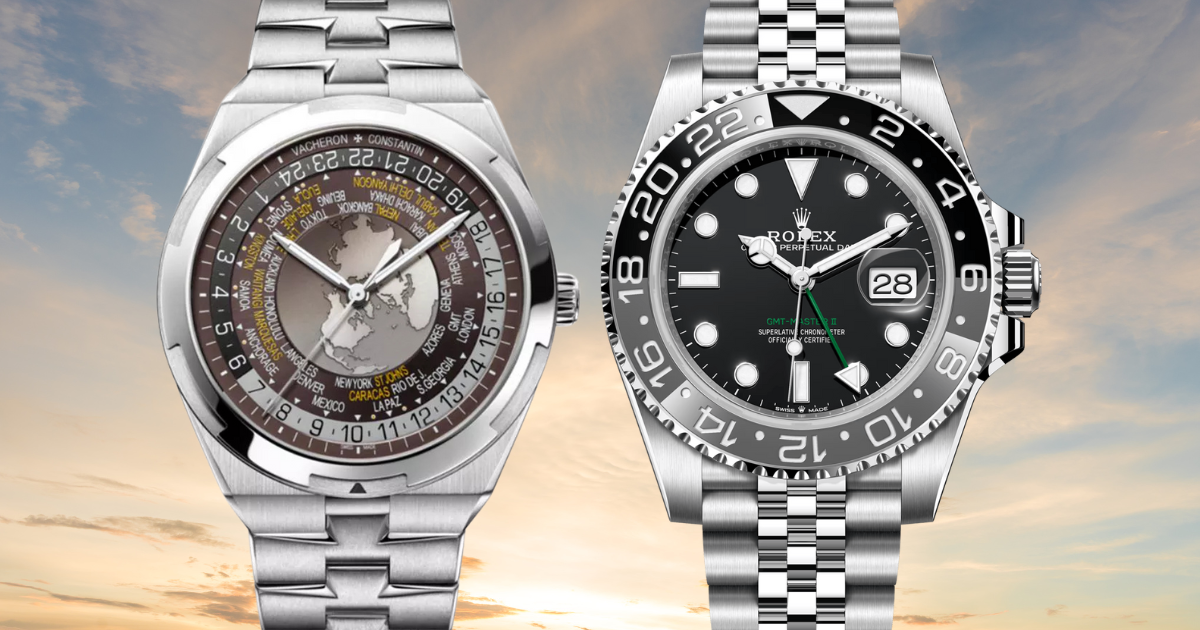
In the age of global connectivity, timekeeping has evolved far beyond simple hour and minute tracking. For frequent travelers, business
By Junior Darryl|2025-06-21T15:23:57+08:00June 21st, 2025|Selling Guide|
In the age of global connectivity, timekeeping has evolved far beyond simple hour and minute tracking. For frequent travelers, business
By Junior Darryl|2025-06-21T14:55:36+08:00June 21st, 2025|Watch Brands|
In the illustrious world of Swiss watchmaking, certain names have etched themselves into history with a legacy of innovation, artistry,
By Junior Darryl|2025-06-21T14:40:06+08:00June 21st, 2025|Watch Brands|
In the realm of haute horlogerie, where innovation, craftsmanship, and legacy intertwine, one reference has risen above others as a
By Junior Darryl|2025-06-24T20:26:44+08:00June 19th, 2025|Selling Guide|
In the world of horology, complications are not problems—they’re achievements. From chronographs to moonphases, these intricate mechanisms represent the pinnacle
By Junior Darryl|2025-06-19T12:46:48+08:00June 19th, 2025|Selling Guide|
Wristwatches have evolved far beyond simple timekeeping. Among the most popular and functional complications in horology is the chronograph — a watch
By Junior Darryl|2025-06-18T17:59:04+08:00June 18th, 2025|Selling Guide|
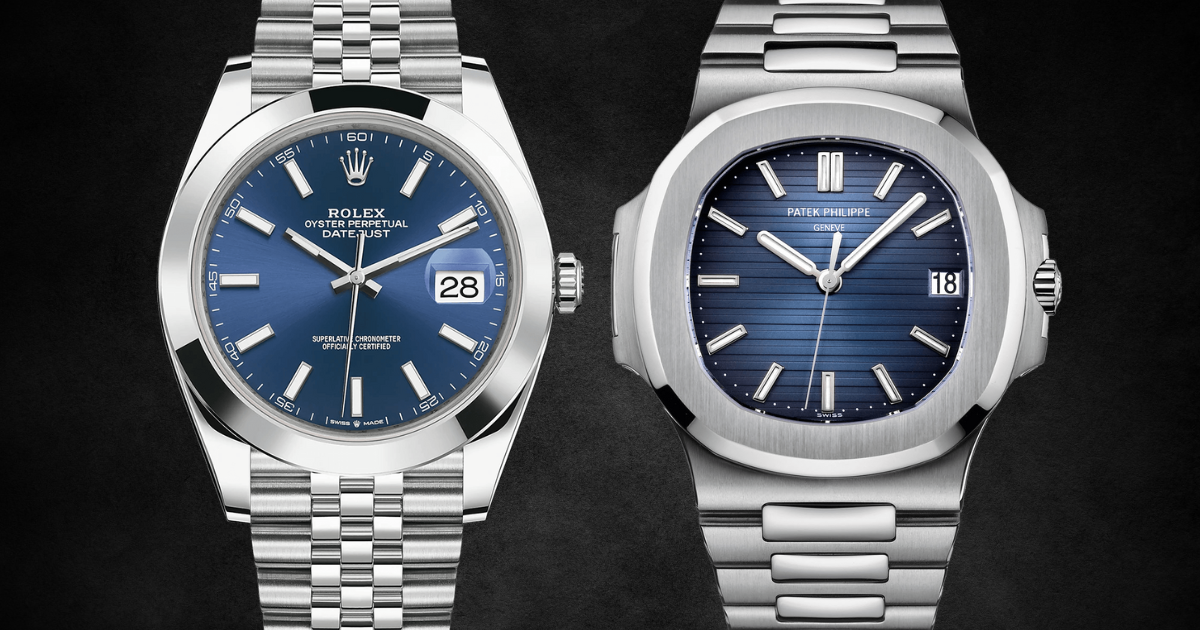
When it comes to luxury watches, few names carry as much weight as Rolex and Patek Philippe. These two horological titans have built
By Junior Darryl|2025-06-18T17:34:42+08:00June 18th, 2025|Selling Guide|
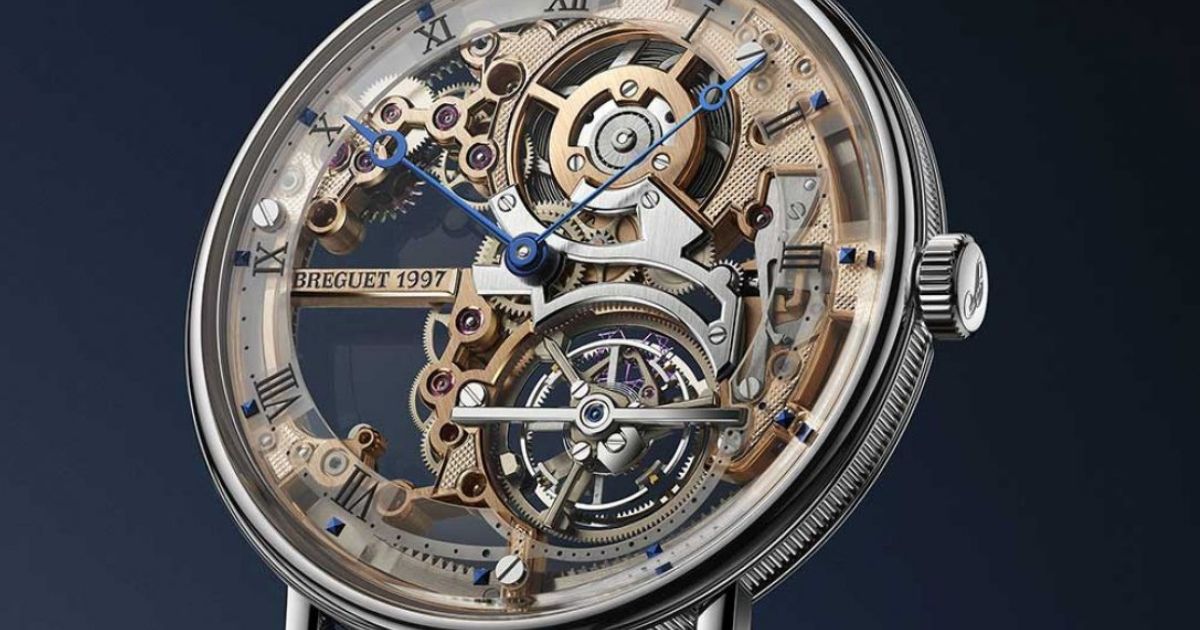
In the world of haute horlogerie, few complications captivate collectors and enthusiasts like the tourbillon. Graceful, intricate, and mechanically poetic,
By Junior Darryl|2025-06-17T12:29:48+08:00June 17th, 2025|Selling Guide|
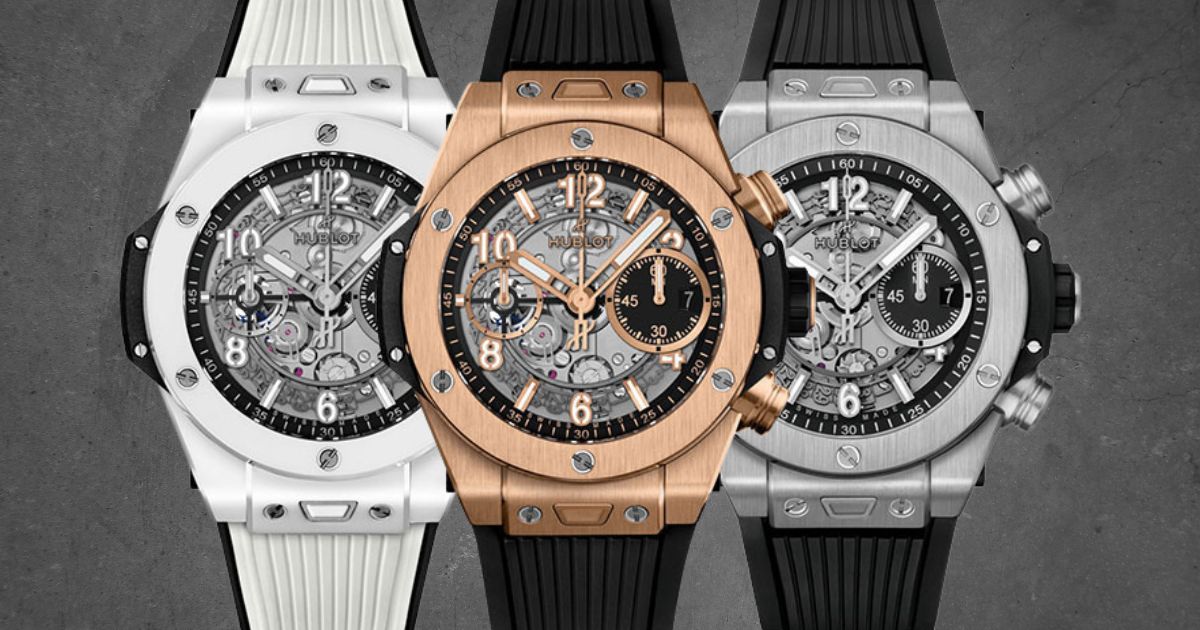
When it comes to luxury watchmaking, Hublot stands out not only for its bold designs but also for its relentless
By Junior Darryl|2025-06-17T12:31:31+08:00June 16th, 2025|Selling Guide|
Dive watches are more than just timepieces; they are a testament to human ingenuity, engineering excellence, and adventure. Originally designed
By Junior Darryl|2025-06-15T17:36:14+08:00June 15th, 2025|Watch Brands|
Few watches command as much respect and admiration as the Rolex Submariner. Since its debut in 1953, the Submariner has become
By Junior Darryl|2025-06-13T20:40:46+08:00June 14th, 2025|Selling Guide|
When it comes to luxury timepieces, few terms carry as much prestige as Haute Horlogerie (French for "high watchmaking"). This elite category
By Junior Darryl|2025-06-13T17:11:01+08:00June 13th, 2025|Selling Guide|
Swiss watches are synonymous with precision, craftsmanship, and timeless elegance. Beyond their aesthetic appeal, many high-end Swiss timepieces also serve
By Junior Darryl|2025-06-12T13:28:34+08:00June 12th, 2025|Selling Guide|
When it comes to luxury sports watches, few names command as much respect as Patek Philippe’s Nautilus collection. Among its most
By Junior Darryl|2025-06-12T13:30:59+08:00June 12th, 2025|Watch Brands|
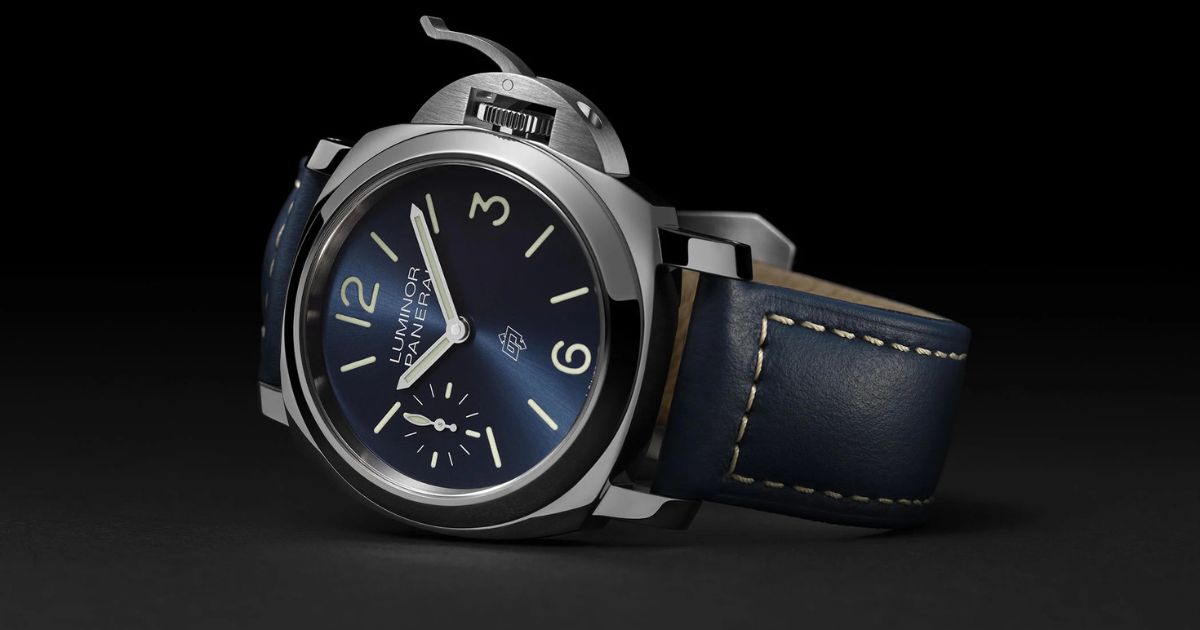
Panerai is a name synonymous with bold, distinctive timepieces that blend Italian design with Swiss precision. But the brand's journey
By Junior Darryl|2025-06-03T12:34:59+08:00June 3rd, 2025|Selling Guide|
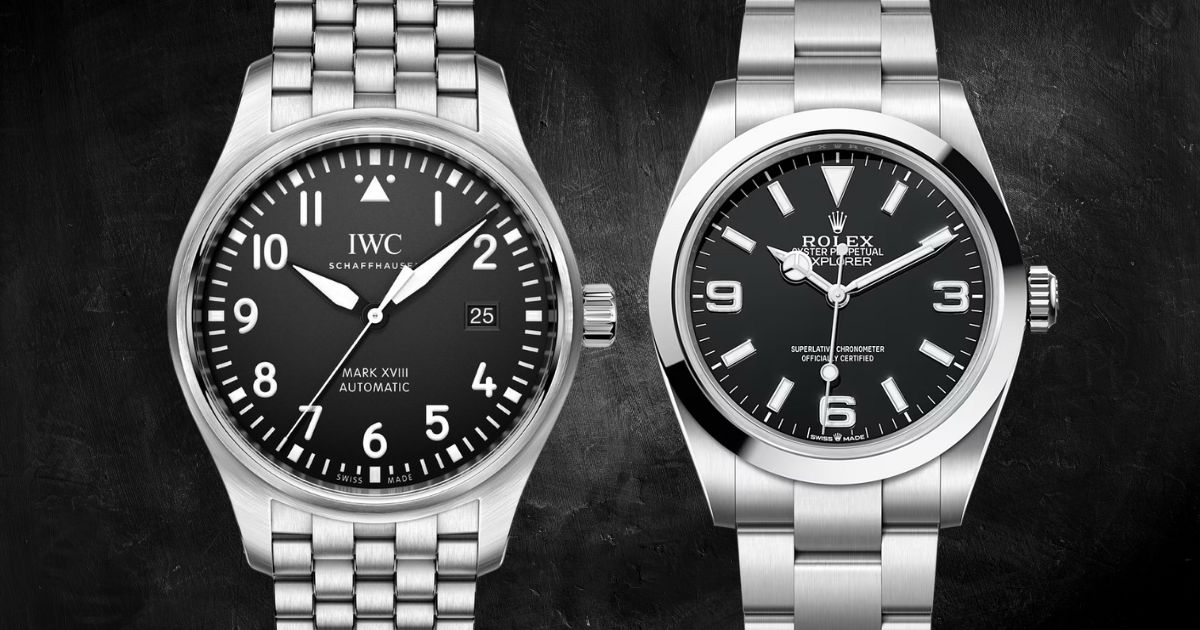
When it comes to rugged, reliable, and stylish watches designed for exploration and aviation, two iconic models stand out: the IWC
By Junior Darryl|2025-05-22T08:49:42+08:00May 21st, 2025|Selling Guide|
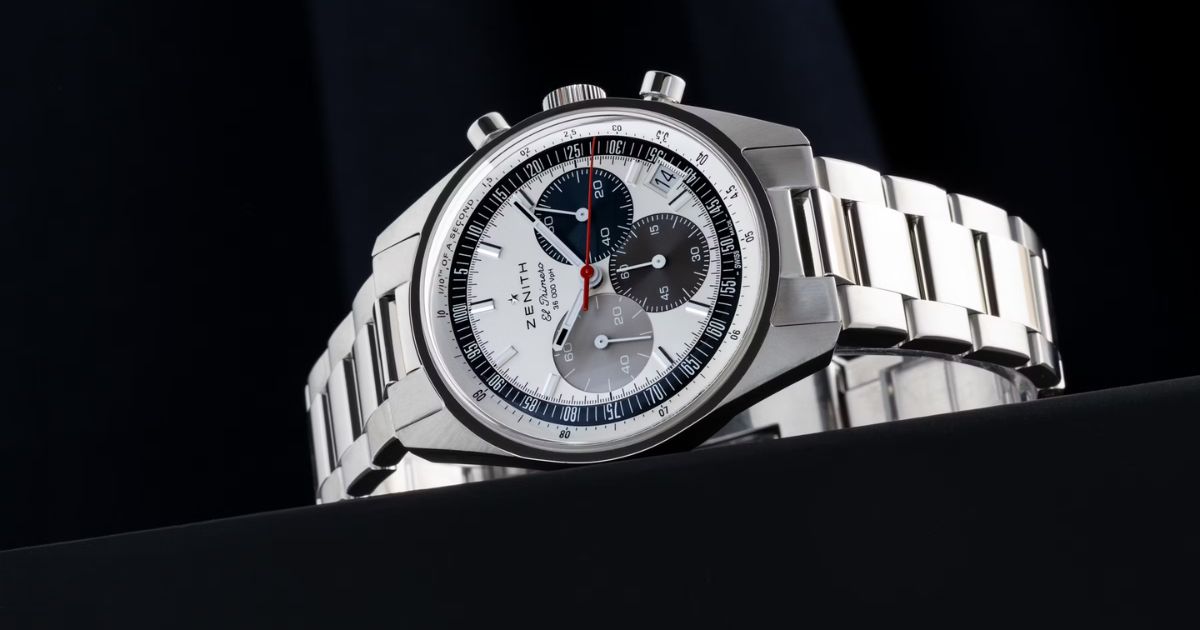
The Zenith El Primero is one of the most iconic chronographs in the history of watchmaking. First launched in 1969, the El Primero was among the first automatic chronograph movements and remains a benchmark in high-frequency watchmaking. But before you pull the trigger on this legendary timepiece, here are five important things to know. 1. The Movement is a Piece of Horological History The El Primero movement is celebrated as one of the first automatic chronographs ever made, competing with the likes of the Heuer-Breitling-Caliber 11 and Seiko 6139. What sets the El Primero apart is its high-beat frequency of 36,000 vibrations per hour (vph)—allowing the chronograph to measure time to 1/10th of a second. This level of precision was groundbreaking at the time and remains impressive today. Buying an El Primero isn’t just about owning a watch—it’s about wearing a legacy on your wrist. 2. There Are Many Variations—Know What You’re Getting Zenith has released dozens of El Primero models over the years, from vintage-inspired tributes to ultra-modern renditions. Key models include: A386 Revival – faithful recreation of the 1969 classic. Chronomaster Sport – a modern take with a ceramic bezel and Rolex Daytona vibes. Chronomaster Original – a dressier, vintage-styled chronograph. Defy El Primero 21 – a futuristic 1/100th-second chronograph with twin escapements. Before buying, figure out which style and size suit your taste. Case sizes range from 38mm to over 44mm, so wrist fit is something to consider seriously. 3. Not All El Primeros Are Created Equal While the “El Primero” name is widely used, not every model features the exact same movement. For instance, the classic El Primero 400 is the spiritual descendant of the original 1969 movement. Newer models like the El Primero 3600 (used in the Chronomaster Sport) offer a central seconds hand that makes one full rotation every 10 seconds, showcasing the 1/10th-second timing capability in a more dramatic way. Research the caliber number (e.g., 400, 4061, 3600, 9004) to understand the movement's capabilities and lineage. 4. Vintage vs. Modern: Pros and Cons If you’re eyeing a vintage El Primero, be prepared for a few trade-offs: Pros: Authenticity, collector value, classic design.
By Junior Darryl|2025-05-07T12:30:59+08:00May 7th, 2025|Selling Guide|
In the world of horology, complications are what transform a timepiece from a simple tool into a masterpiece of engineering. Among the most intriguing and technically demanding of these is the rattrapante—a complication that exemplifies the pinnacle of chronograph craftsmanship. What Is a Rattrapante? The word rattrapante is derived from the French verb rattraper, meaning "to catch up." Also known as a split-seconds chronograph, a rattrapante allows you to time multiple events that start simultaneously but have different durations. It does this by using two chronograph hands—one superimposed over the other—that can be stopped independently to record lap times, then "catch up" to the main hand when released. This complication is distinct from a standard chronograph, which only tracks one event at a time. With a rattrapante, you can pause one hand to record a split time while the other continues tracking the total elapsed time. How Does It Work? A rattrapante chronograph typically features three pushers: Start/Stop Pusher – Activates the chronograph, moving both hands simultaneously. Reset Pusher – Brings both hands back to zero. Split Pusher (Rattrapante Button) – Stops only one of the two hands while the other keeps moving. When the split pusher is pressed, the rattrapante hand halts, allowing you to take a reading. Press it again, and the hand instantaneously snaps forward to rejoin the still-moving primary chronograph hand. It's a mechanical ballet, synchronized with extreme precision. Why Is It So Difficult? The rattrapante is one of the most complex chronograph complications. Unlike a simple stopwatch mechanism, it requires a sophisticated system of clamps, wheels, and springs that must operate in perfect harmony—without adding too much thickness or disrupting the movement’s reliability. Each time you operate the split mechanism, the watch’s movement must instantly disengage and re-engage with absolute precision. This requires extremely fine tolerances and skilled watchmakers to assemble and regulate the mechanism. Who Makes Them? Because of its complexity, few brands attempt the rattrapante, and even fewer do it well. Some of the most revered names in watchmaking have embraced this complication, including: Patek Philippe – With their Ref. 5370P and 5204, they demonstrate classical design with technical excellence. A. Lange
By Junior Darryl|2025-04-30T15:00:17+08:00April 30th, 2025|Watch Brands|
When it comes to luxury Swiss watches, few names spark as much debate and admiration as TAG Heuer and Omega.
By Junior Darryl|2025-03-30T10:16:24+08:00March 30th, 2025|Selling Guide|
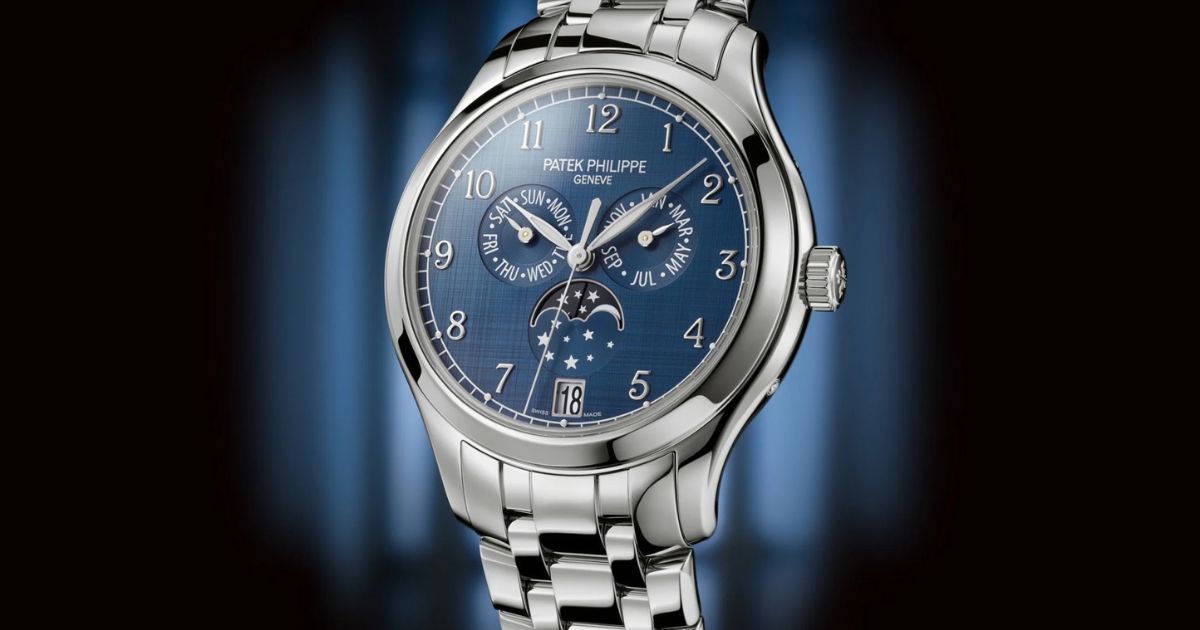
When it comes to haute horology, few names command as much respect as Patek Philippe. Known for their exquisite craftsmanship, timeless
By Junior Darryl|2025-03-01T14:30:39+08:00March 1st, 2025|Watch Brands|
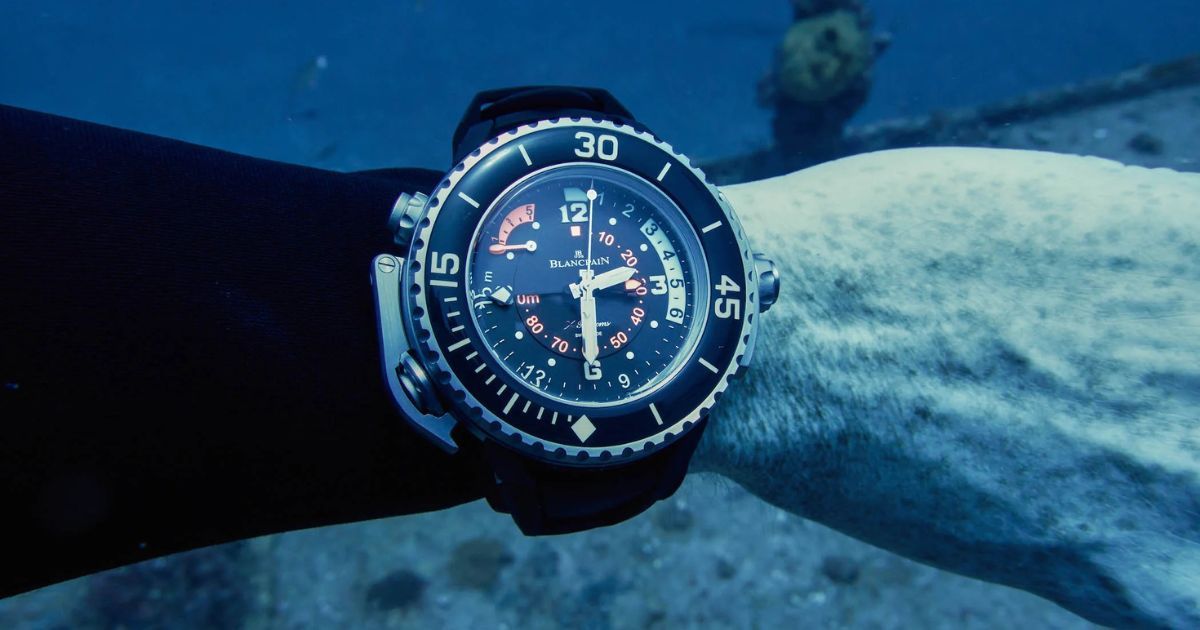
Few timepieces have left as significant a mark on the world of horology as the Blancpain Fifty Fathoms. This legendary dive
By Junior Darryl|2025-03-01T14:06:37+08:00March 1st, 2025|Selling Guide|
Watches have evolved from simple timekeeping devices to complex instruments with multiple functions. One of the most popular and widely